
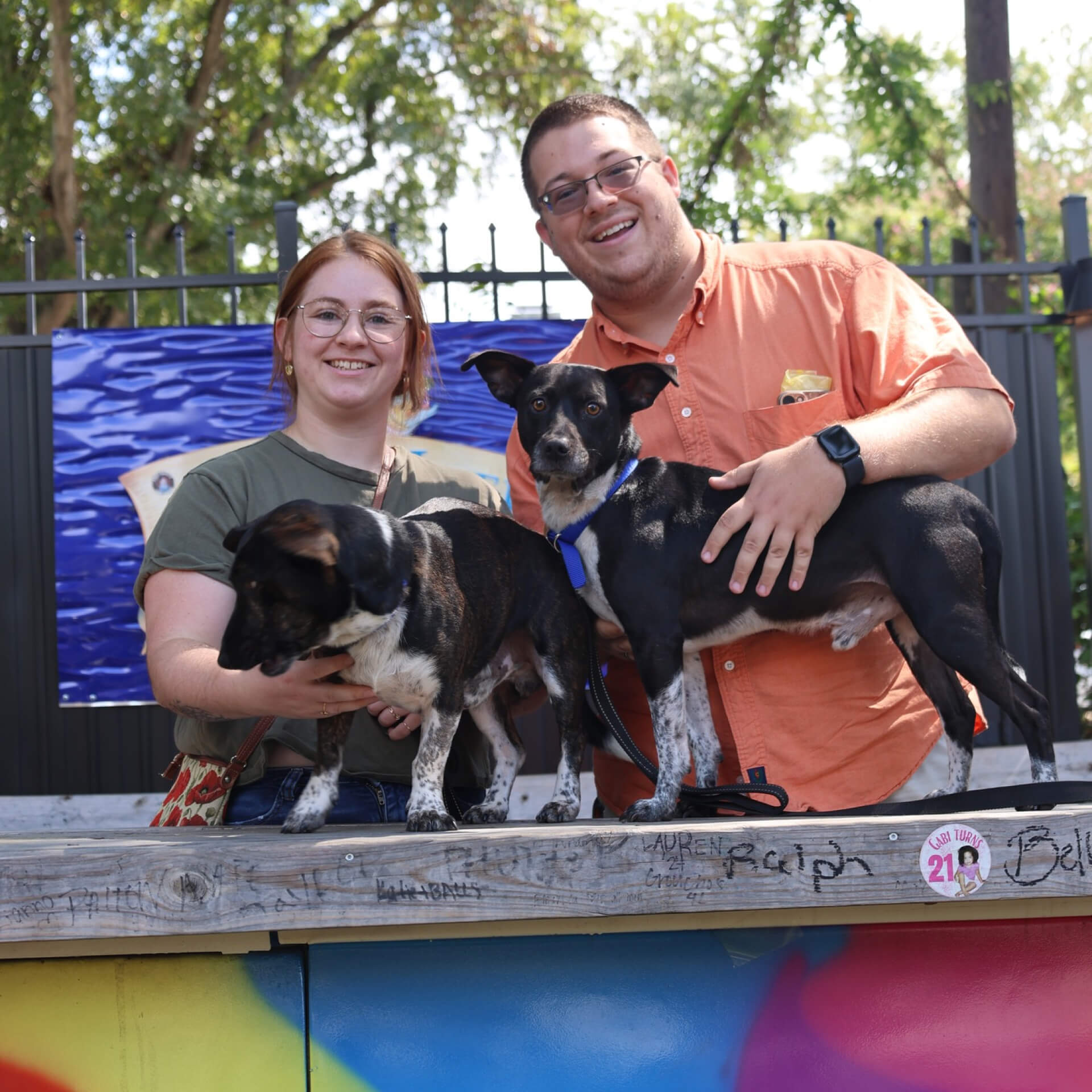
Foster Program

At Columbia Animal Services, we depend heavily on our network of foster families to help us care for our animals who need a little extra love and attention. Our foster program was established in 2017 in an effort to increase life-saving, and has since saved the lives of over 6,000 animals!

There is nothing more rewarding than rehabilitating an injured or frightened animal or socializing a dog or cat to get them ready for a permanent family. Often this is the first time these animals have had someone really care for them. They learn to love a warm voice and a soft touch while waiting for a permanent home.

At CAS, becoming a foster parent is easy! Simply complete and submit a Foster Care Profile, and our foster coordinator will reach out to you once your form is processed!


Submit a Foster Care Profile

Our foster program has two branches: Adoption Ambassador and General Foster.

* If you are already an approved adoption ambassador or foster parent, please join our private Facebook Foster Group.

Join Our Foster Facebook Group

Adoption Ambassador Program

The goal of the program is for the Adoption Ambassador to find their foster dog a home within 60 days by networking, promoting them, and attending adoption events! The objectives include, but are not limited to:

  • Reducing the stress on a shelter dog by providing them a home-like environment
  • Increasing the visibility of adoptable dogs in the community
  • Encouraging community involvement in animal adoption efforts

While most of our dogs will qualify for the program, we encourage our Adoption Ambassadors to select dogs who are struggling to adjust to the shelter environment due to kennel stress, under socialization, long-term residency, or all of the above. 

CAS will work with the Adoption Ambassador to help promote their foster dog! Our Adoption Ambassador program has a limit of 50 animals due to our capacity of care. It is always our #1 priority to provide the best medical care and service to each individual shelter pet and foster parent. Having a cap on the program allows us to better serve you and our animals.

Apply to Become an Adoption Ambassador

Have questions? Email [email protected].

Why Should You Foster?

  • Fostering saves lives. Each kennel space freed saves two lives- the dog who goes to foster and the dog who gets to take its place in the shelter!
  • Fostering is convenient and flexible.
  • It’s fun and so rewarding!
  • No financial burden- our shelter covers the cost of basic supplies and vet care while our pups are in your home!

*Columbia Animal Services offers a Foster to Adopt (“FTA”) option for select pets, giving potential adopters a 14-day trial period to ensure the pet is a good match before finalizing the adoption. This program is intended for individuals who are committed to adopting but want to confirm compatibility first. After the 14 day period (or at any point before that), you can finalize the adoption or return the pet to the shelter. FTA is not intended for foster cases. If interested in fostering, click here.

Fostering FAQs

What are the requirements?

You must…

  • Be at least 18 years of age
  • Be willing to abide by shelter policies and procedures
  • Be able to access our foster Facebook group for regular communications and updates
  • Be able to provide transport to and from the shelter for foster animals
    Spend time with your foster animals and love them like your own

Do I need to have any special training or skills to become a foster parent?

Foster care providers should be compassionate and patient. You will be informed of their foster animal’s known history and any special needs before placement in your care. The foster coordinator will also be available to help answer questions and provide resources as needed.

What kind of animals need foster homes?

The animals that most benefit from foster care are…

  • Puppies and kittens too young to be in the shelter
  • Nursing moms with puppies and kittens
  • Animals with ringworm
  • Abuse/neglect victims in need of socialization and TLC
  • Animals recovering from a treatable medical condition

How long do pets need to be in foster care?

Every situation is different! Foster needs timelines from a couple of days to several months or until the pet is adopted. Dogs fostered through our Adoption Ambassador program should ideally be adopted within 60 days.

Do the programs ever fill up?

Our Adoption Ambassador program has a limit of 50 animals due to our capacity of care. It is always our #1 priority to provide the best medical care and service to each individual shelter pet and foster parent. Having a cap on the program allows us to better serve you and our animals. There is no cap on our general foster program.

How much time do foster parents have to devote to the pet(s) in their care?

It depends on the situation. Foster animals need all of the same things that owned pets do, and may require even more attention if they are recovering from an illness/injury or need behavior modification.

How does the shelter support its foster families?

CAS will cover all basic medical care that is within our means for your foster animal, including monthly flea/tick and heartworm preventatives. When able, we will also supply fosters with food, crates, and other miscellaneous supplies like toys and feed bowls, upon request. Our foster coordinator is happy to help, and our marketing team will work to help you promote your foster pet!

Will my own dog or cat (or my own health) be jeopardized by fostering?

There are always health risks associated with exposing your animals to other animals with unknown origins and medical histories. Many of our shelter pets come in as strays with no known medical history. If the foster parent’s own animals are currently vaccinated, maintain a healthy diet and lifestyle, and are not elderly or very young with compromised immune systems, then the health risk is minimal.

If you or someone in your home are immune compromised, check with your doctor before fostering. Working with animals can expose humans to a number of zoonotic diseases. There are about 200 of these diseases. Proper hygiene, preventative measures, and an understanding of zoonotic diseases and how they are transmitted can significantly reduce the risk of disease. (Examples include ringworm, scabies (sarcoptic mange), & some bacterias).

Can foster parents adopt their foster companion animals?

Yes! Foster parents have first choice to adopt their foster animal unless otherwise instructed at the time the foster agreement is made between the shelter and foster parent.